Mapping the Future: Design and Urban Innovation with AI
Mona Azarbayjani & Sabri Gokmen
Facade Design, Urban Mapping, Data Science
Mona Azarbayjani
Mona Azarbayjani’s journey with artificial intelligence is a tale of exploration, collaboration, and the pursuit of practical solutions that blend art, science, and community impact. As an educator and researcher in Architecture and affiliated with School of Data Science, Mona leverages cutting-edge digital tools with a human-centered approach to design —driving innovation and creating tangible community impact in Charlotte and beyond.
From Parametric Modeling to AI-Driven Research
In her teaching, particularly in the Environmental Systems Principle course, Mona integrates parametric modeling tools like Grasshopper and Climate Studio for energy performance analysis. While she has not yet formally integrated AI into her classroom teaching, she experiments with tools like Midjourney to support early-stage design ideation. “These tools allow students to visualize concepts in entirely new ways,” she explains, emphasizing that technology should enhance—not replace—creativity.
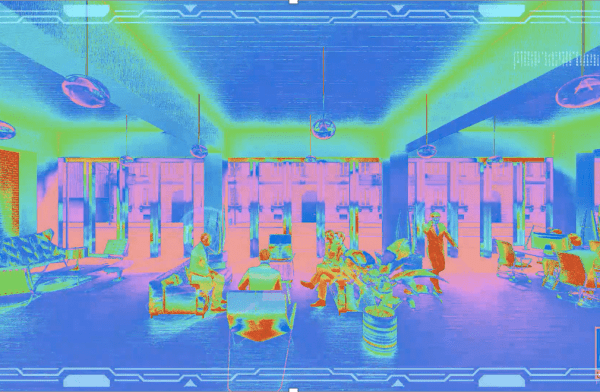
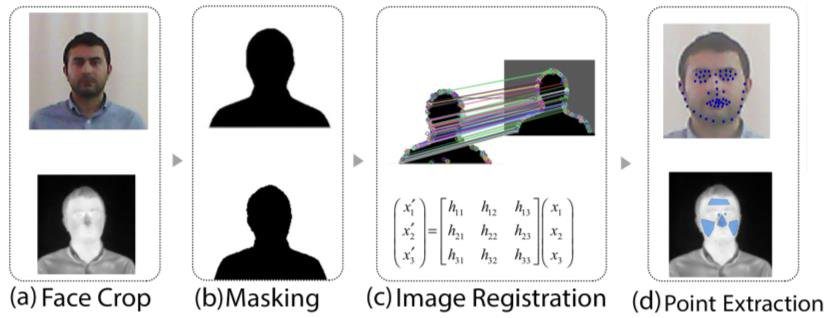
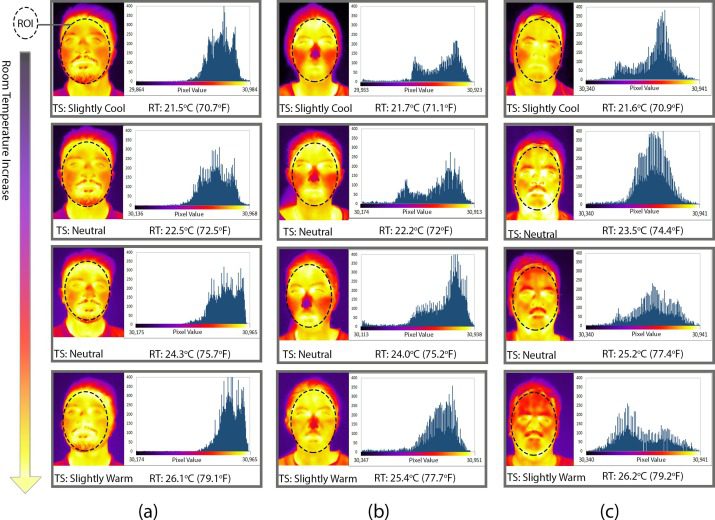
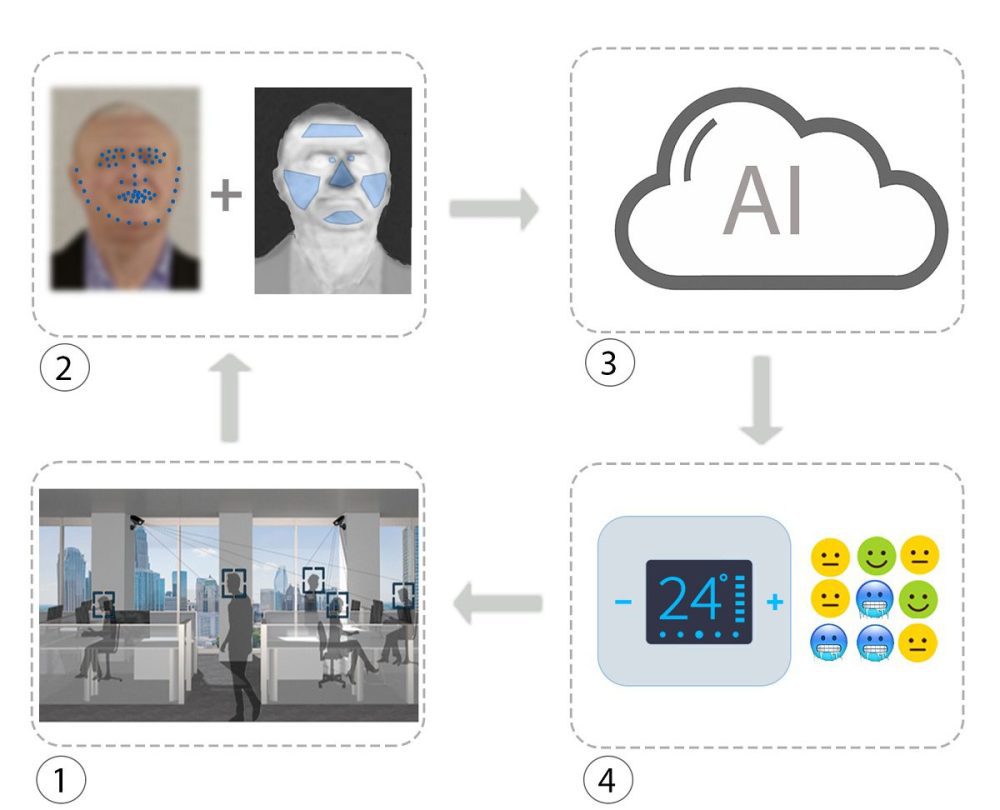
In her research, Mona’s work with AI is far more advanced. Collaborating closely with AI faculty and advising PhD students, she has seen firsthand the transformative potential of machine learning in architecture. One notable project involved developing a thermal comfort model using computer vision and thermal imaging to predict health and occupant comfort. By analyzing facial regions—the cheeks, forehead, and between the eyes—the AI model can determine whether a person is in a state of comfort without the need for intrusive surveys. This project not only streamlined data collection but also offered a more responsive and adaptive approach to building performance and health of occupants especially during Covid-19.
Mona Azarbayjani
Looking Ahead: The Future of AI in Design
Mona’s forward-thinking vision extends to the future of design and urban innovation. She envisions a world where generative AI can assist in monumental projects—like museum design—by learning from historical data and synthesizing optimal design strategies based on specified criteria. Yet, she remains cautious. “AI is a powerful tool,” she says, “but it will never fully capture the creative spirit of human designers. There must always be an element of human oversight.” This collaborative approach to AI, where technology acts as an intelligent partner rather than an autonomous creator, is central to Mona’s philosophy.
Community Impact and Practical Solutions
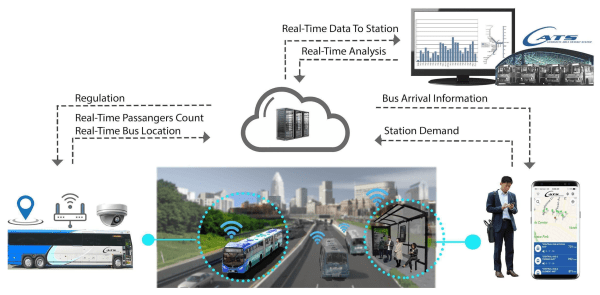
Mona’s AI journey is defined by her commitment to harnessing advanced technology for tangible community impact in Charlotte. By integrating AI into her research—from optimizing thermal comfort in high-performance buildings using computer vision and thermal imaging to reimagining public transit through real-time data analytics—she is paving the way for smarter, more responsive urban environments. Her interdisciplinary collaborations, which blend architecture, engineering, and computer science, along with her thoughtful incorporation of AI in teaching and community projects, offer a blueprint for leveraging technology responsibly to transform design and urban innovation.
Interdisciplinary Partnerships: The Heart of Innovation
For Mona, successful AI integration is not a solo endeavor. She emphasizes the need for robust interdisciplinary partnerships among architecture, engineering, and computer science. “Collaborating with experts in different fields is essential,” Mona explains. “It’s the fusion of diverse perspectives that drives truly innovative solutions.” Her work on urban design projects exemplifies this ethos. In one project, AI analytics were used to optimize public transit schedules in Charlotte—reducing wait times, conserving energy, and enhancing the overall experience for riders. Another project saw the integration of AI with urban design in uptown Charlotte, where real-time data from city cameras was visualized to inform better public space design and even contribute to crime prediction, all without resorting to invasive facial recognition.
AI in Administration and Teaching
Even as Mona champions AI in research, she is equally pragmatic about its role in administrative and teaching settings. As the graduate program director, she uses ChatGPT to manage routine tasks and generate quick answers, thereby streamlining her workflow. “AI tools help me handle daily tasks more efficiently,” she notes. However, Mona is careful to stress that these tools are meant to augment human creativity rather than replace it. For her, the balance between technology and human insight is critical: AI can expedite processes and provide data-driven insights, but the nuanced, creative decisions in design still require a human touch.